


Unattended Truck Scale & weighbridge System 30ton-200ton
Unattended Truck Scale System
Automated weighbridge system, unmanned truck weighing system, truck scale automation, unattended weighbridge
Unattended Truck Scale System
Automate Your Truck Weighing Process
An unattended truck scale system combines a weighbridge with suitable identification, traffic-control, and weighing-management components to support vehicle weighing with reduced routine operator involvement.
For industrial facilities that weigh trucks throughout the day, an appropriately configured system can help standardize weighing procedures, manage transaction records, and improve the flow of vehicles through the weighing area.
Fangda provides truck scale and weighbridge solutions for projects with different capacity and installation requirements. The automation configuration should be selected according to your vehicle fleet, site layout, operating process, and data-management needs.
Whether you operate a manufacturing plant, logistics center, quarry, mine, grain depot, or bulk-material facility, start by defining how vehicles enter the site, how they are identified, how weighing transactions are recorded, and when staff intervention is required.
Request a project-specific unattended truck weighing solution from Fangda.

What Is an Unattended Truck Scale?
An unattended truck scale is a vehicle weighing arrangement designed to reduce the need for an operator to manually manage every weighing transaction at the weighbridge.
Depending on the selected system, the configuration may combine a truck scale, weighing indicator, software, vehicle-identification equipment, traffic-control devices, and communication interfaces.
The exact level of automation varies by project. Some facilities need only electronic transaction recording and basic weighing management. Others may require vehicle identification, entry and exit controls, integration with enterprise software, or a more comprehensive automated workflow.
Before selecting a system, define the required functions and confirm the compatibility of each component.
Key Components of an Unattended Weighbridge System
1. Truck Scale and Weighing Indicator
The weighbridge measures the vehicle load, while the weighing indicator receives and displays the weighing signal. The selected scale capacity, platform dimensions, load-cell configuration, and indicator must suit the intended vehicles and operating conditions.
Fangda's stated truck scale range covers 30 to 200 tons. Confirm the availability and specifications of the selected model before finalizing the automation design.
2. Vehicle Identification
A project may use one or more methods to identify vehicles before or during weighing. Depending on the requirements and available equipment, these may include RFID tags, card readers, license-plate recognition cameras, or operator-assisted identification.
Identification technology should be selected according to vehicle traffic, lighting conditions, tag management, privacy requirements, and integration needs.
3. Traffic Control Equipment
Automated traffic management may incorporate barriers, traffic lights, sensors, or other control devices. These components can help coordinate vehicle movement and reduce the risk of multiple vehicles entering the weighing platform at the same time.
The actual equipment, control logic, and safety interlocks must be confirmed for the selected project.
4. Weighing Management Software
Weighing software may record transaction details, vehicle identifiers, weight readings, timestamps, and other configured information. Reporting, user permissions, data export, and connections to other business systems depend on the software and integration scope.
Confirm the required functions, supported interfaces, data-retention policy, and reporting format before ordering.
5. Monitoring and Communication
Some installations require network communication, remote monitoring, cameras, or connections to a plant control system. These functions depend on site infrastructure, software compatibility, and the agreed project scope.
A system design should identify what needs to communicate, where records are stored, and what happens when a device or network connection is unavailable.
How Does an Unattended Truck Weighing Process Work?
The process should be designed around the site's actual operating rules. A typical configured workflow may include the following steps.
Step 1: Vehicle Arrival
A vehicle approaches the weighbridge entrance. Site signs, sensors, or traffic-control equipment may guide the driver to the correct position.
Step 2: Vehicle Identification
The system identifies the vehicle using the configured method, such as an RFID tag, card, license-plate recognition, or another approved workflow. Manual confirmation may still be required for exceptions.
Step 3: Vehicle Positioning
Traffic controls guide the vehicle onto the weighing platform. The weighing procedure should ensure the vehicle is positioned correctly and that the weighing conditions meet the system's operating requirements.
Step 4: Weight Capture
The weighing indicator provides the weight reading to the configured system. Transaction logic should account for stable weight conditions and any required validation before a record is accepted.
Step 5: Transaction Recording
The software records the configured vehicle, weight, time, and transaction information. Additional data fields and approval steps depend on the site's weighing procedure.
Step 6: Vehicle Exit
When the required checks are complete, the system may permit the vehicle to leave through the configured traffic-control process. Exceptions, failed identification, unstable readings, and equipment faults should have a defined escalation procedure.
This workflow is an implementation example, not a guarantee that every function is included in every Fangda truck scale package. Confirm the final workflow and component list before implementation.
Benefits of Truck Scale Automation
More Consistent Weighing Procedures
A defined system workflow can help apply consistent steps for vehicle identification, weighing, and transaction recording.
Better Transaction Traceability
Configured electronic records can make it easier to retrieve vehicle and weighing information for reconciliation, reporting, and operational review.
Reduced Routine Manual Intervention
Depending on the level of automation, staff may spend less time manually entering vehicle information or managing routine transactions. Staff oversight is still important for exceptions, maintenance, and operational safety.
Improved Traffic Coordination
Suitable traffic-control equipment and operating rules can help organize vehicle movement around the weighbridge. The actual benefit depends on site layout and traffic volume.
Potential for System Integration
Where compatible interfaces are available, weighing records may be connected to inventory, dispatch, ERP, or other business systems. Interface availability and development work should be confirmed before project approval.
Truck Scale Capacity and Installation Options
Automation should be designed alongside the physical weighbridge rather than treated as an isolated software purchase.
Fangda's stated capacity range covers 30 to 200 tons. The appropriate capacity depends on the maximum gross vehicle weight, axle-load distribution, weighing frequency, platform dimensions, and applicable requirements.
Consider the following options when planning your system:
60 Ton Truck Scale: Review the requirements for the intended commercial or industrial vehicle fleet.
80 Ton Truck Scale: Compare capacity and platform requirements for the planned weighing operation.
100 Ton Truck Scale: Assess the required capacity, vehicle dimensions, and weighing frequency.
120 Ton and 150 Ton Truck Scales: Evaluate project-specific needs for selected heavy-duty applications.
200 Ton Truck Scale: Confirm the intended vehicle loads and engineering requirements for high-capacity weighing.
Platform structure, including available U-beam designs, should be confirmed for the selected model. Installation may be pit-mounted or pitless depending on product availability, civil works, drainage, vehicle access, and site conditions.
Applications
Manufacturing Plants
Manage vehicle weighing for incoming raw materials and outgoing products, subject to the plant's transaction and integration requirements.
Logistics and Distribution Centers
Coordinate truck identification, weighing records, and vehicle movement within a configured dispatch workflow.
Quarries and Mining Operations
Support weighing processes for trucks carrying bulk materials. Equipment selection must reflect vehicle loads, site conditions, and operating requirements.
Grain Depots and Agricultural Facilities
Record vehicle weights for deliveries and collections, with data fields and reporting configured to match the site's process.
Bulk-Material Handling Facilities
Connect weighbridge transactions with the relevant material-handling or inventory workflow when suitable software interfaces are available.
Technical Specifications to Confirm
An unattended truck scale is a combination of physical weighing equipment and project-specific automation components. Use the following list to define the required scope.
| Parameter | Requirement to Confirm |
|---|---|
| Truck scale capacity | Select the appropriate rated capacity |
| Platform dimensions | Confirm according to vehicle size and site layout |
| Weighbridge structure | Confirm the selected structural design |
| Load cells | Confirm type, quantity, rating, and compatibility |
| Weighing indicator | Confirm model, communication interfaces, and functions |
| Vehicle identification | Confirm RFID, card reader, license-plate recognition, or another method |
| Traffic control | Confirm barriers, lights, sensors, and required control logic |
| Software | Confirm transaction management, reports, user permissions, and data export |
| System integration | Confirm supported interfaces and any custom development |
| Network and power | Confirm infrastructure and backup requirements |
| Installation | Confirm pit or pitless arrangement and civil works |
| Local compliance | Confirm metrology, safety, data protection, and installation requirements |
Frequently Asked Questions
What is an unattended truck scale system?
It is a truck weighing arrangement configured to reduce routine operator involvement by combining a weighbridge with suitable identification, traffic-control, and weighing-management components.
Does an unattended truck scale require a weighbridge?
For truck weighing, the system generally includes a suitable truck scale or weighbridge, together with the components required for the chosen workflow. The exact equipment package depends on the project.
Does the system include automatic license-plate recognition?
License-plate recognition may be included when supported by the selected equipment and project configuration. Confirm camera requirements, recognition conditions, software compatibility, and any associated costs with the supplier.
Can an unattended weighbridge use RFID?
RFID may be used as a vehicle-identification method when compatible readers, tags, and software are included in the configured system. Confirm the identification workflow and equipment list before ordering.
Can the system connect to ERP or inventory software?
Integration may be possible where compatible interfaces and suitable software are available. The required data fields, interface method, development scope, and testing responsibilities should be agreed before implementation.
Is an unattended truck scale completely maintenance-free?
No. The weighbridge, load cells, indicator, traffic-control devices, cameras, and software infrastructure require appropriate inspection and maintenance. The system should also include a defined process for faults and exceptional transactions.
What information should I provide when requesting a quotation?
Provide the required scale capacity, vehicle types, estimated daily traffic, preferred platform dimensions, installation conditions, identification method, traffic-control requirements, software functions, integration needs, and project location.
Request an Unattended Truck Weighing Solution
Planning to automate your truck weighing operation?
Contact Fangda with your required capacity, site layout, vehicle identification requirements, traffic-control needs, and software integration objectives. The project scope can then be reviewed to confirm the appropriate weighbridge model, automation components, and technical configuration.
Request an Unattended Truck Scale Solution
Discuss Your Weighbridge Automation Requirements
FAQ:
A: Fujian Fangda’s intelligent unmanned weighbridge system adopts AI License Plate Recognition (LPR) and infrared anti-fraud sensors to ensure accurate truck positioning and identification. It generates a tamper-proof digital record throughout the weighing process, effectively eliminating human errors and unauthorized data modifications that may lead to fraud.
Key Features
- Automated Weighing: The system can automatically weigh trucks without the need for manual intervention. It uses advanced sensors and weighing technology to ensure accurate and reliable weight measurements.
- Unattended Operation: As the name suggests, the truck scale can operate unattended, reducing the need for on - site personnel. This not only saves labor costs but also increases the efficiency of the weighing process.
- Data Management: It is equipped with a powerful data management system that can record, store, and analyze weighing data. This data can be easily accessed and used for various purposes, such as inventory management, billing, and compliance reporting.
- Remote Monitoring: The unattended truck scale can be remotely monitored, allowing operators to keep track of weighing operations from anywhere. This feature is particularly useful for businesses with multiple weighing locations.
- Integration: The system can be integrated with other business systems, such as enterprise resource planning (ERP) systems, to ensure seamless data flow and process automation.
Technical Specifications
- Weighing Capacity: The truck scale is available in a range of weighing capacities, from a few tons to over 100 tons, to meet the needs of different applications.
- Accuracy: It offers high - accuracy weighing, with a precision of up to ±0.1% of the weighed value.
- Scale Platform: The scale platform is made of high - strength steel, ensuring durability and long - term reliability. It can withstand heavy loads and harsh environmental conditions.
- Sensors: The system uses high - quality load cells and sensors to accurately measure the weight of the truck. These sensors are designed to be highly sensitive and reliable.
Software: The accompanying software provides a user - friendly interface for easy operation and data management. It includes features such as weighing data recording, report generation, and user access control.
Applications
Logistics and Transportation: In the logistics and transportation industry, the unattended truck scale is used to accurately weigh trucks for freight billing, inventory management, and compliance with weight regulations.
Installation of a 3×12-meter, 80-ton unmanned weighing system at the Jiangxi Provincial Logistics Park
Mining and Quarrying: In the mining and quarrying industry, it is used to weigh trucks carrying minerals and other materials, ensuring accurate measurement of production and transportation.
Installation of a 3×16-meter, 120-ton weighbridge at a mine in Sanming City
Agriculture: In the agricultural sector, the truck scale can be used to weigh trucks carrying agricultural products, such as grains and livestock, for trading and inventory management.
Installation of a 3×18-meter, 120-ton weighbridge at the Fuzhou Grain Depot
- Waste Management: In the waste management industry, it is used to weigh trucks carrying waste materials, helping to manage waste disposal and recycling operations.
Installation and Maintenance
- Installation: The installation of the unattended truck scale is relatively straightforward. It can be installed on a flat and stable surface, and the system can be easily connected to power and communication lines.
- Maintenance: The system requires minimal maintenance. Regular calibration and inspection are recommended to ensure accurate weighing and long - term reliability. The manufacturer provides comprehensive maintenance and support services to ensure the smooth operation of the system.
In conclusion, the unattended truck scale is a highly efficient and reliable solution for weighing trucks. Its advanced features, technical specifications, and wide range of applications make it an ideal choice for businesses looking to improve their weighing processes and increase operational efficiency.

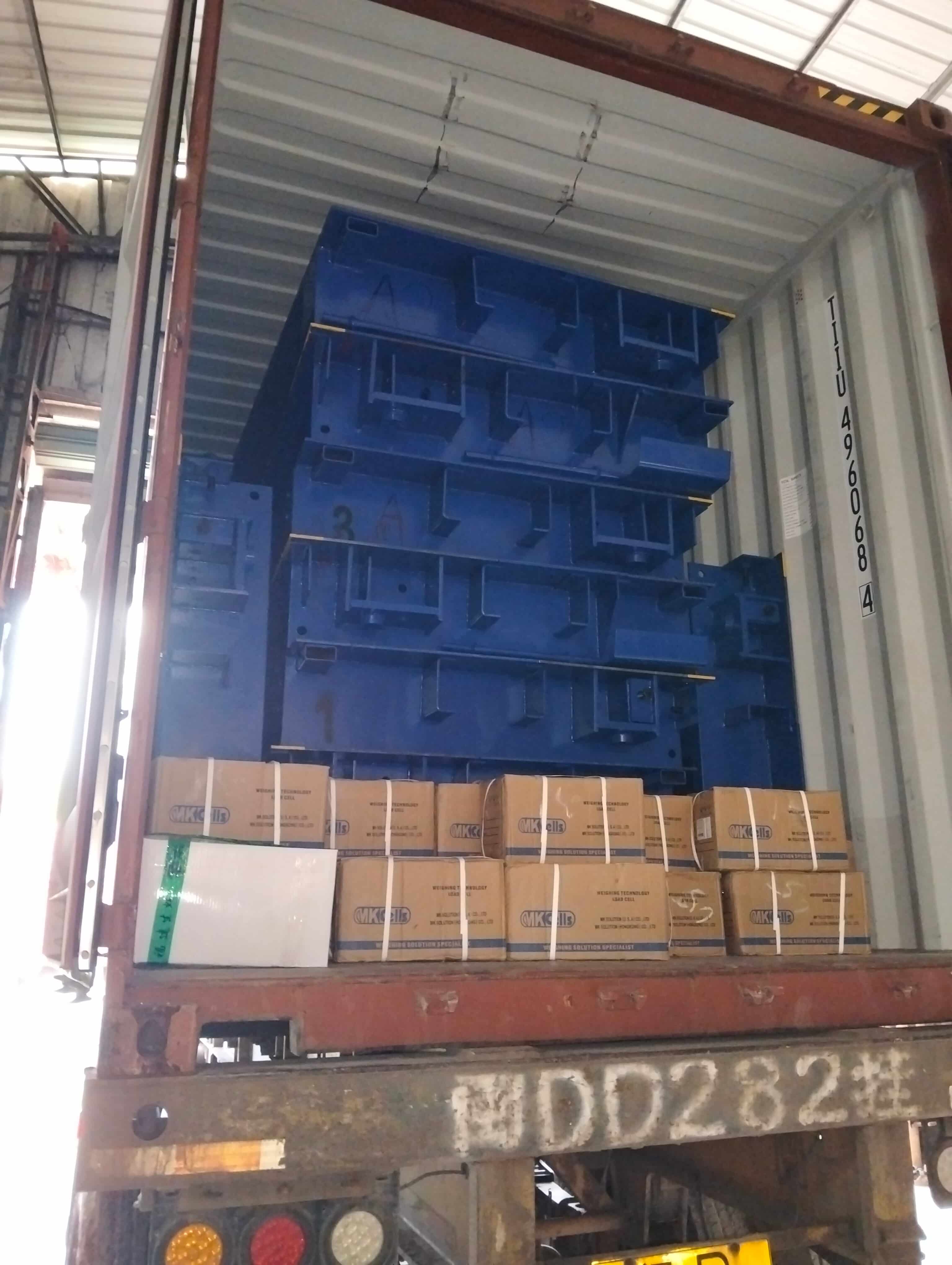

Installation of a 3×20-meter, 120-ton weighbridge at a quarry in Namibia, Africa
英文表单
NAME /COMPANY:*
TEL :*
E-MAIL*
Describe the requirements:*


