


30–200 Ton Truck Scales & Weighbridges
A truck scale is a large, static weighing device installed on the ground to measure the total weight of heavy-duty vehicles (including their loads). It is a core metering tool for bulk trade settlement in mines, ports, logistics parks, factories, overload control stations, etc. Its usual measuring range is 30t - 200t, and the accuracy is Class III (in line with JJG 539 verification regulations).
Heavy-Duty Weighing Solutions for Commercial Vehicles and Industrial Operations
Fangda provides truck scale and weighbridge solutions for applications that require reliable vehicle weighing, from general commercial weighing to demanding industrial operations. Our product range covers capacities from 30 to 200 tons, allowing buyers to compare suitable weighing solutions according to vehicle types, maximum loaded weight, traffic conditions, installation space, and operating requirements.
Whether you operate a logistics center, manufacturing facility, quarry, mine, grain depot, or bulk-material handling site, selecting the right truck scale starts with understanding your vehicles and weighing process.
Explore our capacity options below, then contact Fangda to confirm the appropriate model and technical configuration for your project.
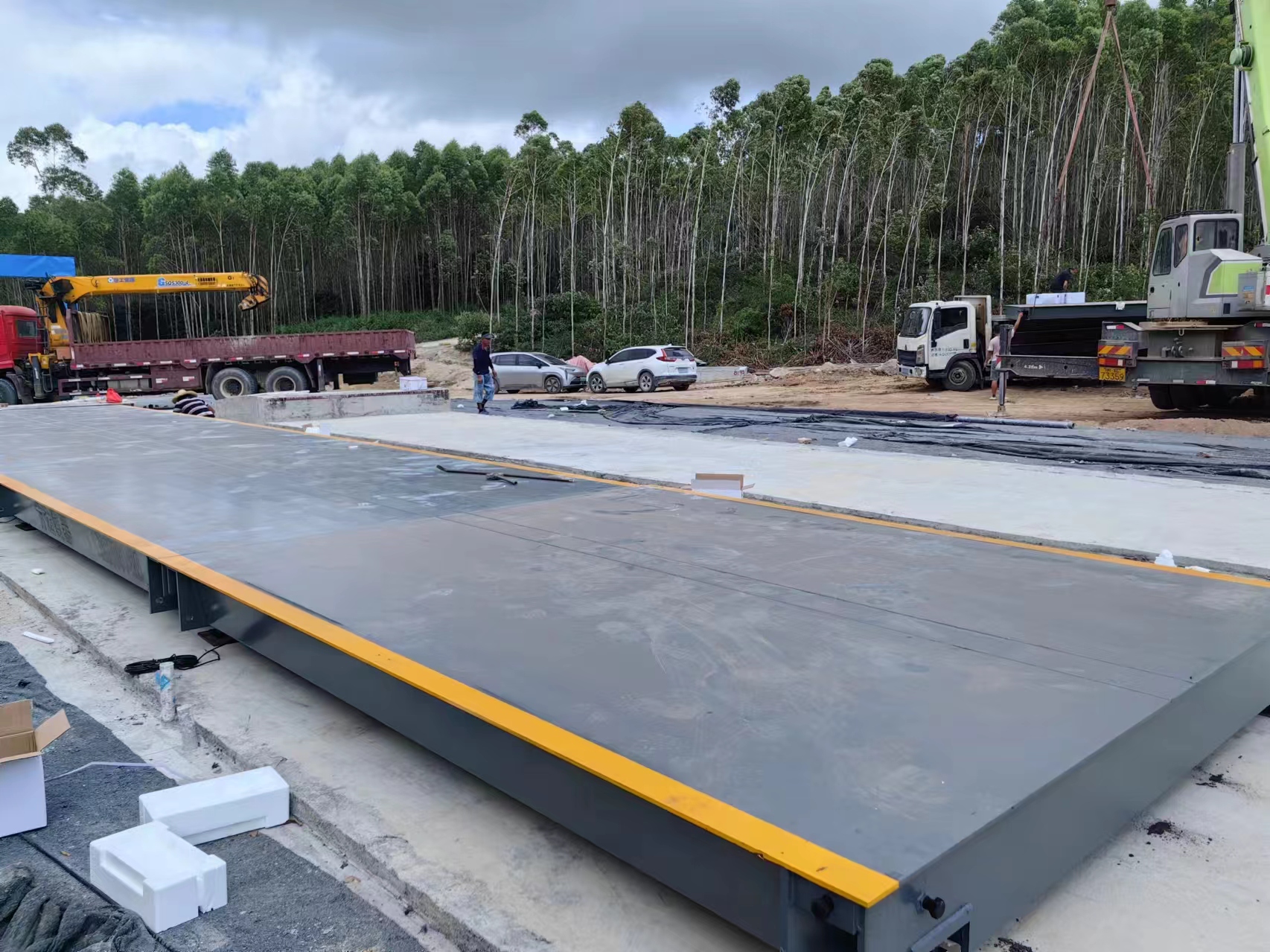
Choose the Right Truck Scale Capacity
Truck scale capacity should be selected according to the maximum gross vehicle weight, axle-load distribution, vehicle traffic, and applicable weighing requirements. The scale's rated capacity is only one part of the selection process; platform dimensions, foundation design, load cells, and weighing-system configuration also need to be considered.
30–60 Ton Truck Scales
Lower-capacity options may be suitable for selected commercial vehicles, light-to-medium industrial transport, agricultural operations, and other applications where the required weighing range fits the vehicle fleet.
Review the 60 Ton Weighbridge & Truck Scale page for more information about this capacity option. For a 30-ton requirement, ask Fangda to confirm the available model and specifications.
60 Ton Weighbridge & Truck Scale
80–100 Ton Truck Scales
These capacities may be considered for a range of logistics, manufacturing, agricultural, and industrial weighing applications. The best choice depends on the loaded weight of the vehicles, weighing frequency, site conditions, and local requirements.
Compare the 80 Ton Weighbridge & Truck Scale and 100 Ton Weighbridge & Truck Scale options to identify a suitable starting point for your project.
80 Ton Weighbridge & Truck Scale
120–150 Ton Truck Scales
Higher-capacity weighbridges may be appropriate for selected heavy-duty operations, including bulk-material handling, quarrying, mining, and other industrial applications. Platform dimensions and the complete weighing configuration should be engineered for the intended vehicles and operating environment.
Explore the 120 Ton Weighbridge & Truck Scale and 150 Ton Weighbridge & Truck Scale pages for capacity-specific information.
200 Ton Truck Scales
For applications involving exceptionally heavy vehicles or demanding industrial weighing requirements, a 200-ton-rated solution may be worth evaluating. Confirm the maximum vehicle weight, axle-load pattern, required platform length, traffic conditions, and site engineering requirements before finalizing the design.
Visit the 200 Ton Weighbridge & Truck Scale page to review this high-capacity option.
Truck Scale Structures and Installation Options
The most suitable truck scale is determined by more than rated capacity. Structural design, site layout, civil works, and weighing-system requirements should be considered together.
U-Beam Truck Scale
A U-beam structure is one of the structural options buyers can evaluate when comparing weighbridge designs. The appropriate structure depends on the selected model, platform requirements, expected traffic, and engineering specifications.
Discuss the available U-Beam Weighbridge configurations with Fangda to determine whether they fit your application.
Pit and Pitless Weighbridge Installation
A pit-mounted weighbridge and a pitless weighbridge have different civil-work and site-layout requirements.
A pit installation places the weighing platform within a prepared pit, while a pitless installation typically raises the platform above the surrounding ground and requires suitable access ramps. Available layouts, drainage, foundation design, vehicle approach, and maintenance access should be assessed before choosing an installation method.
Explore Pit Weighbridge and Pitless Weighbridge options with your project requirements in mind.
Unattended Truck Weighing
For facilities seeking to reduce routine operator involvement, an unattended truck weighing system may be considered. Depending on the confirmed system configuration, an unattended solution can incorporate vehicle identification, traffic-control equipment, weighing software, and related automation components.
The available functions and integration scope should be confirmed for each project. Visit the Unattended Truck Scale page to learn more about automated weighing options.
Key Factors When Selecting a Weighbridge
Before requesting a quotation, prepare the following information:
Required capacity: Maximum gross vehicle weight and the intended weighing range.
Platform dimensions: Vehicle length, axle arrangement, approach space, and site layout.
Vehicle and traffic conditions: Vehicle types, daily weighing frequency, and operating environment.
Structural configuration: The available platform design and the requirements of the intended application.
Installation method: Pit or pitless layout, foundation conditions, drainage, and access ramps.
Weighing system: Indicator, software, data recording, communication, and automation requirements.
Local compliance: Applicable metrology, verification, and installation requirements in the destination market.
Providing these details helps the supplier assess the project more accurately and reduces the risk of selecting a configuration that does not fit the site.
Technical Specifications
The following table summarizes the main parameters to confirm when comparing truck scale models. Exact values must be taken from the approved datasheet for the selected Fangda model.
| Parameter | Selection or Confirmation Requirement |
|---|---|
| Rated capacity | Select the appropriate model within the available 30–200 ton range |
| Platform length and width | Confirm according to vehicle dimensions and site layout |
| Platform structure | Confirm the structural design for the selected model |
| Load cells | Confirm quantity, capacity, type, and approved configuration |
| Weighing indicator | Confirm model, display, interfaces, and required functions |
| Installation | Confirm pit or pitless arrangement and civil-work requirements |
| Weighing software | Confirm reporting, data storage, and integration needs |
| Automation | Confirm whether unattended weighing and traffic-control functions are required |
| Accuracy and verification | Confirm applicable specifications and local regulatory requirements |
| Environmental conditions | Confirm operating temperature, moisture exposure, and site conditions |
Applications
Truck scales and weighbridges can be used in many operations where loaded and unloaded vehicles need to be weighed.
Logistics and distribution: Vehicle weighing and shipment records.
Manufacturing: Incoming raw materials and outgoing finished goods.
Quarries and mining: Weighing vehicles carrying bulk materials.
Agriculture and grain handling: Weighing grain, crops, and other agricultural materials.
Ports and bulk-material facilities: Vehicle weighing within material-handling workflows.
Wholesale markets and depots: Weighing vehicles delivering or collecting goods.
The final configuration should reflect the actual vehicle fleet, weighing process, site conditions, and local requirements.
Installation of a 3×16-meter, 100-ton weighbridge at a sand and gravel yard in Quanzhou
Installation of 3×14-meter (80-ton) and 3×18-meter (120-ton) weighbridges at the Zhangzhou Fruit Wholesale Market
Frequently Asked Questions
What truck scale capacities does Fangda offer?
Fangda's stated truck scale product range covers 30 to 200 tons. The availability and specifications of each capacity should be confirmed with the supplier for the intended application.
How do I choose between a 60-ton, 80-ton, and 100-ton truck scale?
Start with the maximum gross vehicle weight and axle-load distribution of the vehicles you expect to weigh. Then consider weighing frequency, platform dimensions, installation space, applicable requirements, and future operational needs. Ask Fangda to confirm the most appropriate model.
Is a higher-capacity truck scale always better?
Not necessarily. The rated capacity should suit the vehicles and weighing requirements. A higher rating alone does not guarantee that the platform dimensions, foundation, weighing system, or overall configuration will fit the project.
What is the difference between a pit and a pitless weighbridge?
A pit weighbridge is installed in a prepared pit, while a pitless weighbridge is typically installed above ground with access ramps. The right option depends on the site layout, drainage, civil works, maintenance access, and vehicle approach requirements.
Can a truck scale be integrated with an unattended weighing system?
An unattended weighing system may be available depending on the selected configuration. Vehicle identification, traffic control, weighing software, and system integration requirements should be confirmed before ordering.
What information is needed for a truck scale quotation?
Provide the required capacity, vehicle types and dimensions, intended platform size, installation method, project location, daily weighing volume, and any software or automation requirements. Drawings and site photographs can also help the supplier assess the project.
Request a Truck Scale Recommendation
Looking for a truck scale or weighbridge for your facility?
Send Fangda your required capacity, vehicle details, preferred platform dimensions, installation conditions, and destination country. Our team can review your requirements and confirm the appropriate model, technical specifications, and available configuration for your project.
Request a Truck Scale Recommendation
Contact Fangda for a Project-Specific Quotation

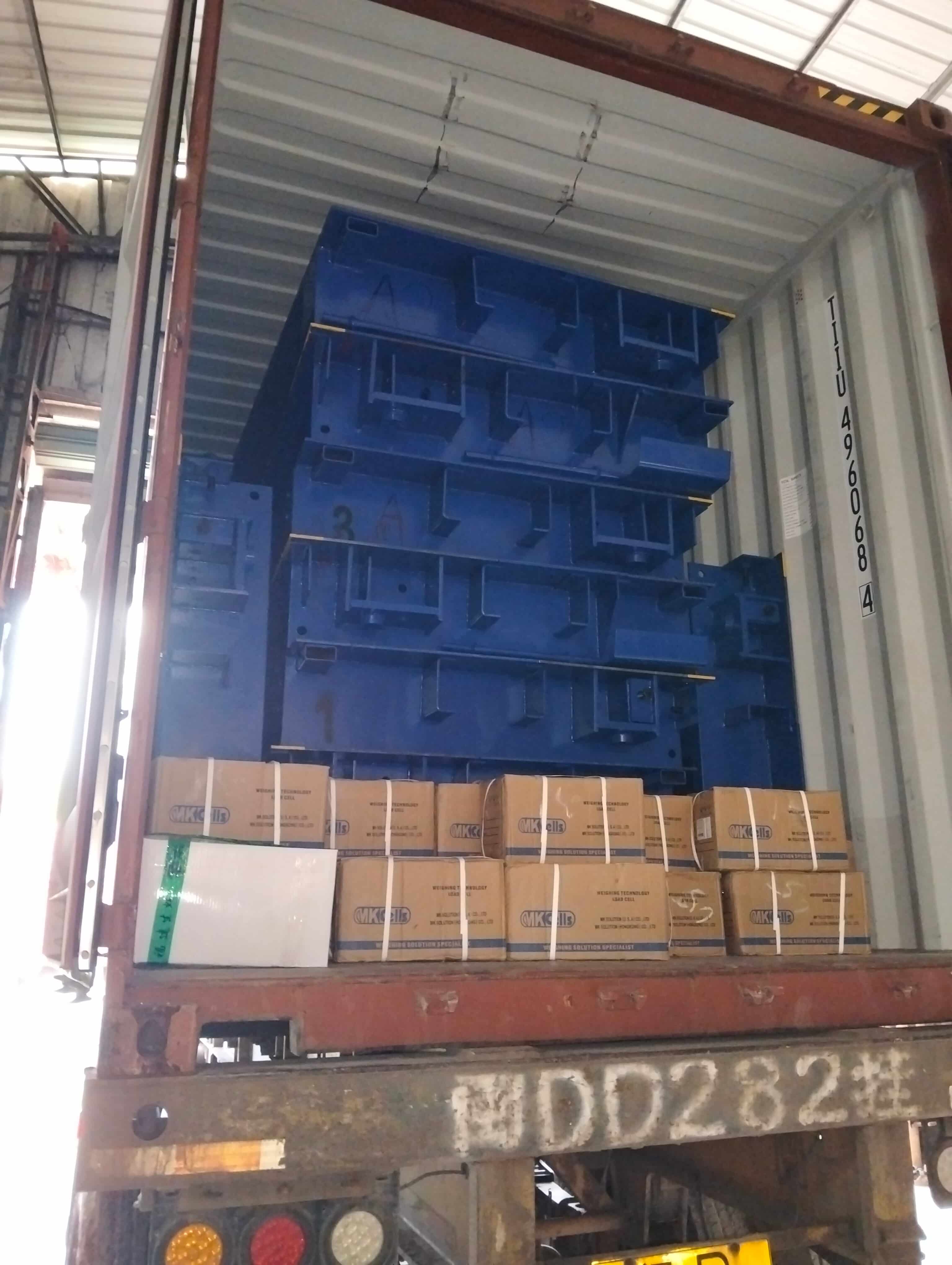
Installation of a 3×20-meter, 120-ton weighbridge at a quarry in Namibia, Africa
英文表单
NAME /COMPANY:*
TEL :*
E-MAIL*
Describe the requirements:*


