
How to install a weighbridge: site preparation checklist?
Most weighbridge installation delays are decided weeks before the equipment arrives. A platform that ships on time can still sit idle because the foundation wasn't cured, the approach road was too short, or nobody arranged power to the indicator location. I've seen a crew standing around a delivered platform, ready to work, with nowhere to put it — and that's an expensive kind of waiting. This checklist covers what needs to be settled on the ground before installation day, grouped by the order in which problems usually surface. Tick through it with your contractor, not after them.
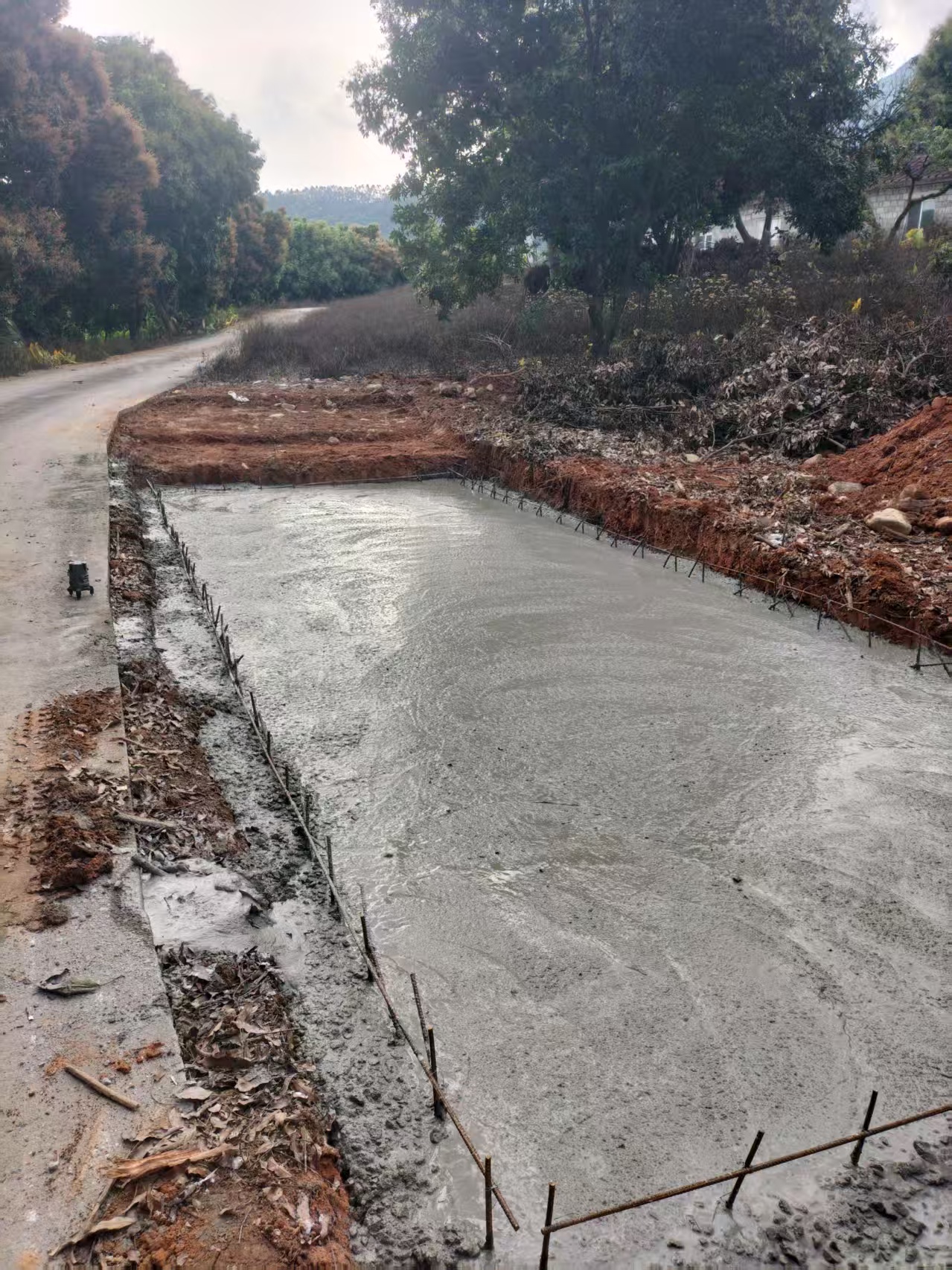
1. Decisions to lock down before anything is poured
☐ Heaviest realistic vehicle, fully loaded, plus the capacity margin you've agreed with your supplier
☐ Platform length confirmed against your longest vehicle, including axle spacing, not just overall length
☐ Pit-type or surface-mounted confirmed, with the civil works scope that follows from that choice
☐ Direction of traffic flow and where vehicles queue before and after the scale
☐ Location of the weighing office or indicator, and the cable route to it
Changing any of these after the foundation is cast is the most expensive mistake in the whole project. It's also the easiest one to make when decisions are still on paper and the concrete hasn't set yet. Once it's poured, "we'll figure it out later" turns into jackhammers and delay claims.
2. Site and ground conditions
☐ Soil bearing capacity assessed by someone qualified, not assumed from neighboring structures
☐ Water table checked, especially for pit-type installations
☐ Drainage plan in place so water can leave the pit or the platform surround rather than collect under the load cells
☐ Site cleared and leveled to the extent your foundation drawing requires
☐ Underground services — cables, pipes, drains — located and marked before excavation
Ground conditions are where assumptions get expensive. A site that looks flat and solid in dry weather can turn into a muddy problem after a week of rain, and the water table doesn't care what the neighboring building's foundation did.
3. Approach roads
☐ A straight, level approach at both ends of the platform, long enough that vehicles are not braking, turning, or climbing as they roll on
☐ Road surface strong enough to take repeated heavy traffic without deforming near the platform
☐ Gap between platform and approach slab detailed so it can't trap debris or let water run under the structure
Poor approaches don't just cause accuracy problems. They cause impact loading on the load cells every single day. A driver who has to brake hard or turn onto the deck is delivering a small shock to the system with every pass — and those add up.
4. Foundation
☐ Foundation built to the manufacturer's drawing, including rebar layout and concrete grade, rather than a local approximation of it
☐ Mounting points, embedded plates, or anchor positions checked against the drawing before the concrete is poured
☐ Surface level verified with proper instruments, not by eye
☐ Concrete allowed to cure fully per your engineer's specification before any load is placed on it
☐ Pit walls, if applicable, waterproofed and drained
"Close enough" is not a foundation standard. A few millimeters off at the mounting points can mean hours of shimming and adjustment later — or a platform that never sits quite right. And concrete that hasn't fully cured will remember the first truck that rolled onto it.
5. Power, cabling, and protection
☐ Stable power supply available at the indicator location
☐ Cable conduit installed between the platform and the indicator, kept separate from heavy power cables to reduce interference
☐ Proper earthing in place, with lightning protection considered for exposed sites
☐ Junction box location chosen where it can be reached and kept dry
☐ Network connection or cellular coverage confirmed if you plan to use software, remote monitoring, or automated lanes
Power and cabling are the quiet items on this list — nobody thinks about them until the indicator won't turn on or the readings are jumping. Run the conduit before the concrete, not after. Future-you will be grateful.
6. Delivery and handling
☐ Access route for delivery trucks checked: width, turning space, overhead obstructions, ground strength
☐ Lifting equipment arranged with capacity suited to the heaviest platform section
☐ Unloading and temporary storage area identified, dry and flat
☐ For split-type platforms, assembly drawings and bolting sequence reviewed with the installation team in advance
The delivery truck doesn't care that your gate is narrow or that the ground near the site is soft. Check the route with the same care you'd check the foundation — because a platform that can't reach the site is just as stuck as one that can't be installed.
7. Paperwork and approvals
☐ Local permits or construction approvals obtained where required
☐ Calibration and certification requirements for your market confirmed, including who will perform the official verification and when
☐ Calibration weights or a certified test provider booked for commissioning
☐ Warranty terms and spare parts arrangements agreed in writing
Paperwork is the part everyone wants to skip. It's also the part that decides whether the scale can legally be used on day one, or whether it sits there accurate but uncertified while you wait for an inspector.
8. Commissioning day readiness
☐ Platform clear of debris and standing water
☐ All cables connected, labeled, and protected
☐ Operators identified for training, with time set aside for them
☐ Agreed zero, accuracy, and repeatability checks scheduled before the scale goes into service
Commissioning day should be boring. If it's dramatic, something upstream wasn't done. The goal is a platform that settles, reads, and repeats — not a rescue operation.
A note on responsibility
Site preparation is usually split between the buyer, a civil contractor, and the equipment supplier. Problems tend to appear in the gaps between them. One party assumes another has handled the drainage. The foundation contractor never saw the cable route drawing. The supplier ships to a site that isn't ready. Agree in writing who is responsible for each item above, and ask your supplier for a foundation drawing and an installation guide early rather than at the moment the container arrives.
Who put this together
We're Fujian Fangda Weighbridge, a truck scale and load cell manufacturer based in Fujian, China. We supply foundation drawings and installation guidance with our weighbridges because a well-built platform on a poorly prepared site still weighs badly. If you're planning an installation and want a second pair of eyes on your site plan before construction starts, we're happy to review it with you.
100-ton Weighbridge & Truck Scale
英文表单
NAME /COMPANY:*
TEL :*
E-MAIL*
Describe the requirements:*


